Let's Talk About

Regina Real Estate Resource Centre | Market Updates, Buying & Selling Advice

Looking for practical real estate advice without the jargon? Welcome to the Sold by Samantha blog, where you'll find Regina market updates, home buying and selling tips, neighbourhood guides, and local insights to help you make confident real estate decisions. Whether you're buying your first home, preparing to sell, or simply keeping an eye on the market, you'll find straightforward information designed specifically for Saskatchewan homeowners and buyers.

RSS

Why Your Asking Price Might Be the Most Important Marketing Decision You'll Make

There is one conversation that almost every seller wants to have. "So... what if we listed a little higher just to see what happens?" It's a fair question. After all, if someone is willing to pay more, why wouldn't you ask for more?

The problem is that real estate doesn't quite work like a garage sale. You don't put a price tag on your home hoping someone offers less. You also don't throw a number at the wall to see if it sticks. Your asking price isn't just a number.

It's part of your marketing strategy.

Buyers Decide if Your Home Is Worth Seeing in About 30 Seconds

Before buyers ever walk through your front door, they've already made dozens of decisions.

They've looked at the photos. They've compared your home to similar listings. They've looked at the neighbourhood. They've probably sent it to their spouse, their parents, and three friends for opinions. Then they decide one thing…

"Is this worth seeing?"

If your home feels overpriced compared to everything else they're looking at, they often don't book a showing at all. They simply move on to the next listing.

You can't sell a home to someone who never walked through the front door.

"We Can Always Reduce the Price Later..."

Technically... yes. Strategically... not usually.

The first week your home is on the market is when it receives the most attention. Buyers who have been waiting for something like your home are notified almost immediately. That excitement is incredibly valuable.

If the price isn't right from the beginning, you've essentially spent your biggest marketing opportunity introducing buyers to a home they weren't interested in. By the time the price comes down, many buyers are already asking themselves another question.

"What's wrong with it?"

Nothing may be wrong at all. It simply started in the wrong place. And then convincing buyers that it was just price (especially in a market like Regina’s with our gumbo soil) is almost impossible. 

Pricing Isn't About Getting Less

This is probably the biggest misconception I hear.

When I recommend a strategic asking price, I'm not trying to convince someone to sell their home for less. I'm trying to create enough interest that buyers compete for it.

Sometimes that means one offer. Sometimes it means multiple offers. Sometimes it means buyers are willing to pay more than they originally planned because they don't want to lose the home.

Ironically, some of the strongest sale prices happen because the asking price encouraged competition, not because it scared buyers away.

Your Neighbour's Home Isn't Always the Best Comparison

"But my neighbour listed for..." I hear this one a lot, too. Every home is different. The layout. The updates. The condition. The lot. The location within the neighbourhood.

Even something as simple as backing onto a busy road versus a quiet park can influence value.

Pricing isn't about finding the highest number someone else listed at. It's about understanding what today's buyers are willing to pay for your home.

The Goal Isn't to "Win" the Listing

One of my favourite sayings in real estate is this:

You can price a home anywhere you want. The market gets the final vote. My job isn't to tell you the highest number possible because it sounds exciting.

It's to help you understand where your home sits in today's market, explain why, and create a strategy that gives you the best chance of achieving the strongest result. Sometimes that means listing at exactly what you expected. Sometimes it doesn't. Either way, the goal stays the same. Sell your home for the best possible price, in the least amount of time, with the fewest headaches.

Because that's a much better story than saying... "Well... at least we tried."

The Right Asking Price Is Your Strongest First Impression

Setting the right asking price isn't about guessing. It isn't about chasing the highest number or hoping the market proves you right. It's about understanding buyer behaviour, knowing what's happening in your neighbourhood today, and creating a strategy that gives your home the strongest chance of standing out from the moment it hits the market. Because in real estate, first impressions matter, and your asking price is one of the biggest first impressions you'll make.

Curious what your home would realistically sell for in today's Regina market?

I'd be happy to put together a complimentary market evaluation. No pressure, no sales pitch, and no obligation. Just honest advice, current market data, and a pricing strategy that's built around your home, not just a number.

Sincerely, Samantha

Read

Why Does My REALTOR® Need to FINTRAC Me?

And no, your REALTOR® isn’t just being nosy. 😉

You’ve found the house. You’re ready to write the offer. And then your REALTOR® starts asking for your ID, occupation, and information about where your deposit is coming from. 

It can feel a little… invasive?!? But I promise, we’re not being nosy. We’re doing our job. Welcome to FINTRAC.

First Things First: What is FINTRAC?

FINTRAC stands for the Financial Transactions and Reports Analysis Centre of Canada. That is a very long name for a federal agency that helps detect, prevent and deter things like money laundering and terrorist financing in Canada.

Real estate involves large amounts of money changing hands, which means real estate professionals have specific legal obligations under Canada’s anti-money laundering laws.

In plain English? Your REALTOR® is required by law to know who they’re working with and, in certain situations, where the money involved in a transaction is coming from. It isn’t optional, and it isn’t something your REALTOR® made up to add another form to your already impressive pile of paperwork.

So… What Do I Have to Provide?

Depending on your transaction and circumstances, your REALTOR® may need to collect or verify information such as:

  • Your identity

  • Your occupation

  • Information about the source of funds being used in the transaction

  • Information about your deposit

  • Details about who is actually purchasing or selling the property

Sometimes this can feel like a lot of questions, especially when you’ve worked with your REALTOR® before.

Yes, even if we’re friends.

Yes, even if I sold you your last house.

Yes, even if I absolutely, positively know who you are. 

There are still FINTRAC requirements I have to follow.

Why Does the Source of Funds Matter?

This is probably the part that gets the most raised eyebrows. If I ask where your deposit or purchase funds are coming from, I’m not asking because I’m curious about your bank account. I’m asking because real estate professionals have obligations to document certain financial information and watch for transactions that may be unusual or suspicious.

For most buyers, the answer is incredibly ordinary: savings, proceeds from the sale of another home, investments, a gift from family, financing, or some combination of those.

We simply need to document it appropriately.

What Happens to My Information?

Your information isn’t collected for marketing purposes or because your REALTOR® wants to keep tabs on your finances.

FINTRAC requires real estate brokerages and professionals to collect and retain certain records as part of their legal compliance obligations. Your REALTOR® should also be able to explain what they need, why they need it and how the information is being collected.

And if something feels unclear? Ask. I would much rather explain why I’m requesting something than have you wondering why on earth I suddenly need to know your occupation while you’re trying to buy a house.

The Samantha-Sized Version

FINTRAC sounds intimidating. For the vast majority of clients, it really isn’t. It essentially boils down to this:

Real estate involves a lot of money, Canada has rules designed to help prevent that money from being used for illegal purposes, and REALTORS® are one of the professions required to help follow those rules.

So when I send you a secure link asking you to verify your identity or ask a few questions about your funds, there’s no red flag beside your name. It’s simply part of buying or selling real estate in Canada.

A little paperwork. A few questions. One more box checked. Then we can get back to the much more exciting stuff… like finding you a house. 🤎


Have questions about buying or selling in Regina, Saskatoon or Southern Saskatchewan? You never have to know all the answers before reaching out. That’s quite literally what I’m here for.

Sincerely, Samantha

Read

Spousal Buyouts: A mortgage option with understanding | Mortgage Minute with Candice Carr

Whether you are a friend of someone going through a separation, or the person navigating the separation yourself, there is something valuable here for you. A separation brings no shortage of difficult decisions, and one of the biggest is what to do with the family home. Selling and dividing the proceeds may be the right answer, but it is not the only one. If one spouse wants to stay, a spousal buyout may make it possible to purchase the other person’s share and place the home and mortgage in the remaining spouse’s name.

To the friend who knows someone separating

You may be the first person they turn to for a listening ear or practical advice. Sharing clear information about options like a spousal buyout can reduce overwhelm and help them see that keeping the family home is sometimes achievable. Pointing them toward experienced guidance early can make a meaningful difference at a stressful time.

To the person going through a separation

You do not have to figure this out alone. Experienced brokers and agents work with these situations regularly and can walk you through the numbers, the paperwork, and the realistic possibilities so you know what options exist. There are solutions available, and having the right support can bring a measure of certainty when so much else feels uncertain.

More than a standard refinance

In a conventional refinance, homeowners are generally limited to borrowing up to 80% of their home’s value. A qualifying spousal buyout may instead be treated as a purchase transaction, potentially allowing financing above that limit through an insured mortgage.

For example, on a home valued at $600,000:

  • A conventional refinance would generally be limited to $480,000, or 80% of the home’s value.

  • A qualifying spousal buyout could potentially provide up to $565,000 before the mortgage-insurance premium.

  • That could make up to $85,000 in additional financing available to complete the buyout or address eligible joint debts included in the separation agreement.

For illustration, at a mortgage rate of 4.50% and a 25-year amortization, the monthly payment would be approximately $2,657 under the conventional refinance limit, compared with about $3,252 if the maximum spousal-buyout amount and mortgage-insurance premium were financed.

These figures are for illustration only, as the amount available and monthly payment will depend on the home’s appraised value, the required buyout, the existing mortgage, applicable insurance premiums and the rate available when the financing is arranged.

The funds are generally used to pay out the existing mortgage and the departing spouse’s agreed share of the equity. Depending on the lender and mortgage insurer, certain jointly held debts addressed in the separation agreement may also be included.

What lenders will consider

The spouse keeping the home must still qualify for the new mortgage based on their income, credit, other debts and the applicable mortgage stress test.

Child or spousal support received may help with qualification when it is properly documented and expected to continue. Some lenders may use 100% of qualifying support income, while others apply different limits or documentation requirements. Support payments being made must also be included when the lender assesses the borrower’s obligations.

Lenders will typically ask for:

  •  A signed separation agreement setting out the division of the property, debts and any support obligations;

  • Documentation supporting the transfer and agreed buyout amount;

  • An appraisal confirming the home’s current value; and

  • The legal transfer of the departing spouse’s interest in the property.

A signed separation agreement can also be important if either spouse plans to purchase another home. A signed separation agreement can also be important if either spouse plans to purchase another home. Requirements will vary by lender and province, and a signed agreement documenting the borrower’s financial obligations may be needed before completing financing connected to a separation..

There may also be mortgage-insurance premiums, legal fees, appraisal costs and, depending on the province and circumstances, land-transfer or registration costs. Any penalty for breaking the existing mortgage must also be included in the calculation.

This may sound complex, but you don’t have to navigate it alone. I have the knowledge and resources to guide you through the financing process, explain what documentation is needed and help keep the transaction moving at each stage.

Start the conversation early

If you or someone you know is going through a separation, reach out before finalizing the agreement or making decisions about the property. I can confidentially review the estimated buyout, qualification requirements and potential monthly payments so you have a clearer picture of what may be possible.

Connect with Candice

Candice Carr | Mortgage Broker


(306) 531-6880
candice@candicecarr.ca

https://candicecarr.ca

Read

The Fridge-Worthy Regina School Calendar | 2026–2027 🍎✏️📚

Backpacks are packed. Lunches are hopefully figured out. And somehow, we’re already back to asking one of the most important questions of the school year:

Wait… do the kids have school that day?

I’ve got you. 🫶🏽

I created these fun, full of colour 2026–2027 elementary school calendars for Regina families, with separate versions for Regina Public Schools and Regina Catholic Schools.

They’re designed as postcard-sized prints, perfect for the fridge, bulletin board, or wherever your family keeps track of all the moving pieces. Because between PD days, holidays, school breaks, and the occasional random Tuesday that catches every parent completely off guard, having the whole year in one place makes life just a little easier.

Want a printed copy? Just reach out and let me know which calendar you need. I’d be happy to get one into your hands (and hopefully save you from at least one “Wait… there’s no school tomorrow?!” moment).


Regina Public Elementary School Calendar 2026–2027

Save it to your phone, print it for the fridge, send it to Grandma, or keep it somewhere handy for the next time you're trying to book an appointment and wondering whether the kids are actually in school.


Regina Catholic Elementary School Calendar 2026–2027

Same idea, different school division. All those important no-school days together in one quick reference.

Prairie Valley School Calendar 2026–2027

Public High School Calendar 2026–2027

Regina Catholic High School Calendar 2026–2027

A quick note: These calendars are intended as a convenient reference for Regina families. Dates can change throughout the school year, so please confirm important dates with your school or school division.


One Less Thing to Keep Track Of

As a mom, I know September somehow feels like both a fresh start and complete chaos.  New routines, activities starting up again, lunches every. single. day. and approximately 47 forms that need to be signed.

So consider this my tiny contribution to making the school year a little easier. Save the calendar you need, share it with another Regina parent, and come back anytime you inevitably think:

“I swear they just had a day off…”

They probably did. 😉

Here’s to a great 2026–2027 school year, Regina! 🫶🏽

Sincerely, Samantha

Read

What Is a PCDS? And Do You Really Need One?

If you’re buying or selling a home in Saskatchewan, there’s a good chance you’ll hear your REALTOR® mention a PCDS, which stands for Property Condition Disclosure Statement.

It sounds very official. And very real estate-y. But the concept itself is actually pretty simple.

A PCDS gives a seller the opportunity to share what they personally know about the condition and history of their property with a potential buyer. Is it helpful? Absolutely. Is the absence of one automatically a giant red flag? Not necessarily. Let’s break it down.

So, What Exactly Is a PCDS?

A Property Condition Disclosure Statement, or PCDS for short, is a questionnaire completed by the seller about what they know about the property. And that distinction matters. It isn't an inspection report, and it isn't a guarantee that everything in the home is in perfect working order. It's the seller saying, “Here is what I know about this property based on my experience and knowledge of it.”

The form asks about quite a bit, including:

  • water and sewer services

  • insulation

  • zoning, permits and other potential property compliance issues

  • liens, assessments and encroachments

  • plumbing, electrical, heating and cooling systems

  • built-in appliances and attached fixtures

  • past or present water or moisture damage, including roof leaks, plumbing leaks, flooding and sewer backups

  • damage from things like wind, fire, hail or pests

  • structural defects

  • fireplaces, woodstoves and chimneys

  • renovations or alterations completed without required permits

  • environmental concerns such as mould remediation, asbestos, vermiculite, lead water pipes, cardboard sewer lines, knob-and-tube wiring and aluminum wiring

There are also additional questions specifically for condominiums and rural properties, including things like special assessments, wells, septic systems, cisterns, soil or slope instability and environmental concerns.

For each applicable question, the seller generally has the option to answer Yes, No, Do Not Know or Does Not Apply.

And that “Do Not Know” option is important.

A seller isn't being asked to investigate the house or become an expert on every component of it. They're being asked to answer based on what they actually know. If they genuinely don't know the answer, they're instructed to say so rather than guess.

What If the Seller Doesn't Provide a PCDS?

This happens more often than you might think, and it isn't automatically a red flag. Sometimes the seller has never actually lived in the property. Maybe it's been a rental for years. Maybe it's an estate sale. Maybe the seller simply doesn't have enough firsthand knowledge of the home to confidently answer all of the questions. In those situations, a seller may choose not to provide one.

But here's the important part: not completing a PCDS doesn't give a seller a free pass to stay quiet about defects they actually know about. A seller's decision not to complete a PCDS does not remove their legal obligation to disclose known defects where disclosure is legally required.

So, as a buyer, am I concerned when there isn't a PCDS? Generally, not really. I consider a PCDS a bonus piece of information, rather than something I want my buyers to rely on completely.

After all, it's based on what the seller personally knows about the property. There may be things happening in a home that even the seller isn't aware of. Which brings me to something I consider much more important...

A PCDS Is Not a Home Inspection

This is probably the biggest thing I want buyers to understand. The PCDS tells us what the seller knows. A home inspection gives us the opportunity to have a qualified professional actually examine the home.Those are two very different things.

A seller could genuinely have no idea that there's an issue hiding in the attic, behind a wall, underneath flooring or within one of the home's systems. They can't disclose something they don't know exists.

That's why I never look at a clean PCDS and think, Perfect. We know everything.

And I don't necessarily look at the absence of one and think, Uh oh.

Instead, I look at a PCDS as one piece of the puzzle.

A good home inspection can tell us a lot about the property regardless of whether the seller has lived there for 30 years, rented it out for 10, or never lived in it at all.

If We Have One, We're Still Going to Read It

Just because I don't consider a PCDS the be-all and end-all doesn't mean we're ignoring it. If it's available, I want my buyers to actually read it. Not skim it. Not see a bunch of “No” boxes and assume we're good. Read it. If something catches our attention, we talk about it. Maybe the seller discloses that there was water in the basement several years ago. That doesn't necessarily mean we run for the hills. Instead, we ask more questions. What caused it? What was done to repair it? Has it happened again? Are there invoices or documentation available?

Sometimes an answer simply gives us another question to ask. And that's exactly what good due diligence is supposed to do.

If You're Selling, Answer Carefully and Truthfully

If you decide to complete a PCDS as a seller, my advice is pretty simple: Answer what you know, and answer it honestly.

This isn't the place to guess, minimize something or try to come up with the answer you think a buyer wants to see. And remember, a past problem isn't necessarily a deal breaker. A roof that leaked eight years ago and was professionally repaired tells a very different story than an active leak nobody has addressed.

Context matters.

In many cases, being able to explain what happened, what was done to repair it and provide documentation can actually help a buyer feel more comfortable with the property.

The Bottom Line

Would I rather have a PCDS than not have one? Absolutely. More information is always helpful. But I also don't want buyers to put a false sense of security into one piece of paper. A PCDS is based on what the seller knows. It isn't a warranty that nothing is wrong with the house, and it isn't a replacement for doing our own due diligence.

So if the house you love doesn't have one, don't panic. We'll ask questions. We'll look at the information we do have. We'll bring in the appropriate professionals when needed. And, in most cases, we'll learn a whole lot more about that house through the inspection process anyway.

Buying a home shouldn't require you to understand every piece of real estate paperwork before you start. That's my job. I'll explain what we're looking at, what actually matters and when we need to dig a little deeper.

Because there are enough acronyms in real estate already. You shouldn't have to Google your way through them, too.

Sincerely, Samantha

Read

Preparing Your Home for Sale | It's More Than Just Cleaning Up

There is a common misconception that getting a home ready for sale means spending thousands on renovations. Fresh kitchen? Not necessarily. Brand new flooring? Probably not. Renting a storage locker the size of a hockey rink? Let's hope it doesn't come to that.

The reality is much simpler.

Preparing your home for sale isn't about making it look like someone else's home. It's about helping buyers see themselves living there. Every decision you make before listing should have one goal in mind, creating a space that feels welcoming, well cared for, and easy to fall in love with.

After years in real estate, and with a background in design, I've seen firsthand that it's rarely the biggest renovation that makes the biggest impact. More often, it's the thoughtful details that quietly transform the way buyers experience a home.

First Impressions Start Before the Front Door

Before buyers ever notice your beautiful kitchen or spacious primary bedroom, they've already formed an opinion.

It starts when they pull up to the curb.

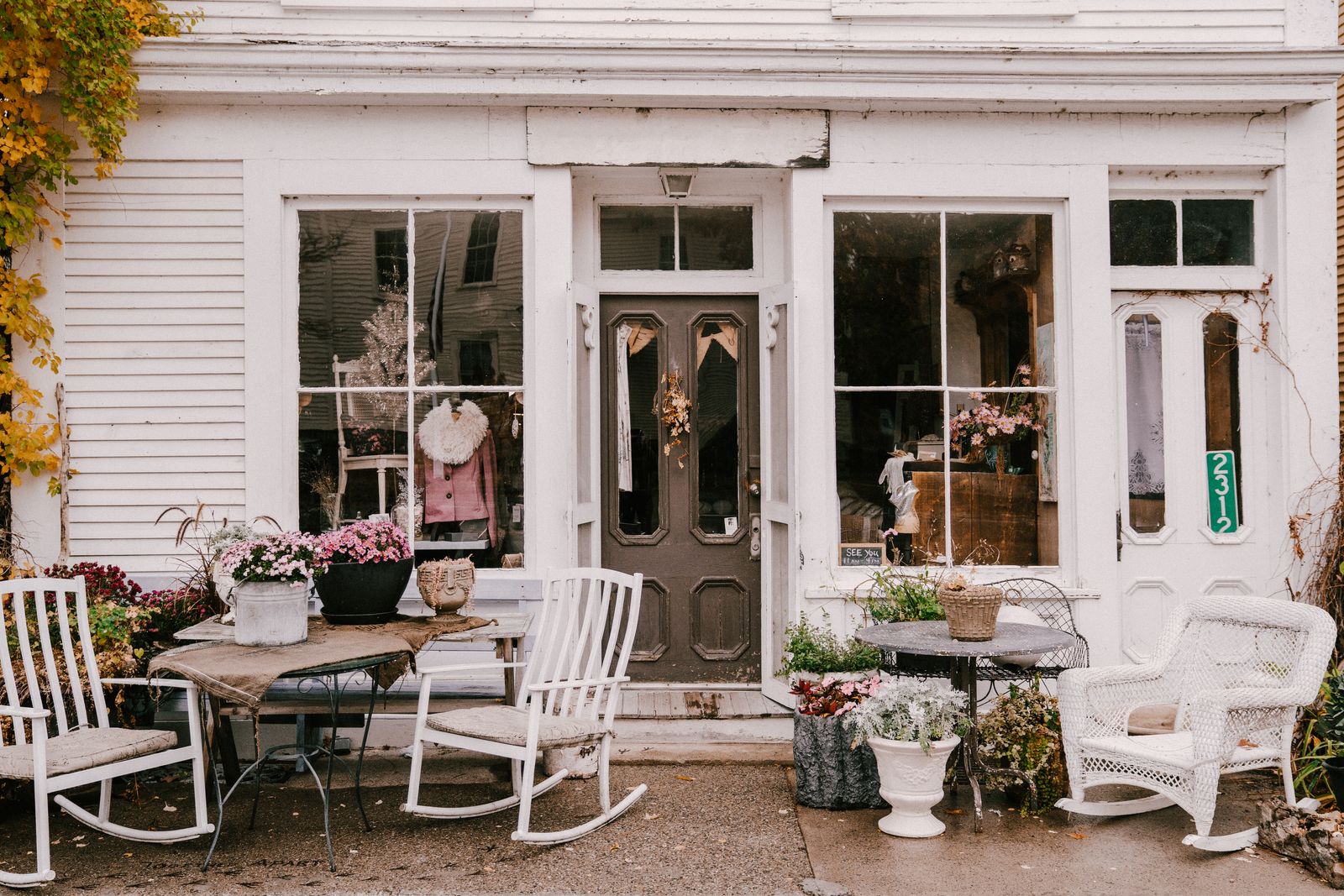
Is the lawn trimmed? Are weeds taking over the flower beds? Does the front door feel inviting? Is the house number easy to read? These may seem like small details, but together they create a first impression that sets the tone for the entire showing.

Think of it like meeting someone for the first time. You could have the funniest personality in the world, but showing up with toothpaste on your shirt isn't exactly setting yourself up for success.

A tidy yard, a swept front step, a fresh welcome mat, and perhaps a couple of seasonal planters can completely change how buyers feel before they even step inside.

Declutter, But Don't Depersonalize

One of the biggest pieces of advice you'll hear is to declutter. That's absolutely true, but there is an important distinction between clutter and personality.

Your home shouldn't feel empty. It should feel lived in, just not overcrowded.

Buyers aren't counting how many family photos you have displayed. They're trying to picture where their furniture would go. When every shelf is packed, every countertop is full, and every closet is overflowing, the home begins to feel smaller than it actually is.

My design background has taught me that negative space is just as important as what fills it. A room with breathing room feels larger, calmer, and more inviting. Sometimes removing a single oversized chair or clearing off a kitchen counter does more for a space than buying new décor ever could.

Design Isn't About Following Trends

This is probably where my design side starts getting excited.

Every home has its own personality. My goal isn't to erase it. It's to highlight its best features.

That doesn't mean every wall needs to be painted white or every room needs to look like it belongs in a magazine. Buyers are becoming increasingly savvy. They appreciate homes that feel authentic, well maintained, and thoughtfully presented.

Instead of chasing trends, I focus on balance. Rearranging furniture to improve flow. Adding light where a room feels dark. Removing décor that distracts from beautiful architectural features. Layering simple textures that make a space feel warm rather than staged.

Sometimes we borrow accessories. Sometimes we move artwork from one room to another. Sometimes we simply take half the items off a bookshelf.

Design isn't always about adding. Quite often, it's about editing.

Don't Renovate Without a Strategy

One of the questions I hear most often is, "Should we renovate before we sell?"

My favourite answer?

Maybe.

Not every renovation increases value, and not every dollar spent comes back at closing. I've seen sellers spend tens of thousands of dollars on projects buyers barely noticed, while overlooking simple updates that would have had a much bigger impact.

Before spending money, it's worth asking whether the improvement will help buyers perceive more value or simply satisfy your own personal taste.

Sometimes replacing dated light fixtures, touching up paint, updating cabinet hardware, or professionally cleaning carpets delivers a stronger return than an expensive renovation.

This is where personalized advice matters. Every home, neighbourhood, and price point attracts different buyers, so the right recommendations should always be tailored to your property rather than pulled from a generic checklist.

Preparation Creates Confidence

The homes that tend to generate the strongest interest aren't always the newest or the most expensive.

They're the homes that feel ready.

When buyers walk through a home that feels clean, bright, well maintained, and thoughtfully presented, they're able to focus on the possibilities instead of creating a mental list of projects waiting for them after possession.

Preparation builds confidence. Confidence encourages stronger offers. Stronger offers often create better results for sellers.

That's why preparing your home isn't just another item on the to do list. It's one of the most important investments you can make before your listing goes live.

Thinking About Selling?

Every home is different, which means every preparation plan should be too.

When we work together, I'll walk through your home with you and provide personalized recommendations based on your property, your budget, and your goals. Sometimes that means suggesting a few simple updates. Other times, it means telling you not to spend another dollar.

If you're curious where to start, I'd be happy to help. No pressure, no obligation, just practical advice to help your home make the very best first impression.

Sincerely, Samantha

Read

Maximizing Curb Appeal | The Little Details That Make Buyers Want More

First Impressions Happen Fast

You've probably heard the saying, "Don't judge a book by its cover."

Real estate buyers completely ignore that advice. Before they've toured your kitchen, measured the bedrooms, or peeked into the basement, they've already started forming an opinion. Sometimes before they've even put the car in park.

Your home's exterior sets the expectation for everything that follows. If the outside feels neglected, buyers naturally wonder what maintenance has been skipped inside. If it feels welcoming and well cared for, they walk through the front door expecting good things.

That's why curb appeal isn't just about making your home look pretty. It's about creating confidence before the showing even begins.

It's Not About Spending More, It's About Choosing Better

One of the biggest misconceptions about curb appeal is that it requires a huge budget. It doesn't.

As someone with a background in design, I can confidently say that thoughtful choices almost always outperform expensive ones. Great design isn't about adding more flowers, more décor, or more colour. It's about knowing where to focus your attention so every detail works together.

A freshly painted front door, updated house numbers, clean landscaping, and a welcoming front entry can completely change how a home feels. Buyers may not consciously notice every improvement, but they'll absolutely notice the overall impression.

Sometimes the homes that feel the most inviting are also the simplest.

The Details Buyers Notice Without Realizing It

When I walk up to a home, I'm looking at it through a buyer's eyes.

Are the windows sparkling?

Does the walkway naturally guide you to the entrance?

Are the shrubs trimmed instead of swallowing the front windows?

Is there peeling paint, overflowing recycling bins, or cobwebs hiding in the corners?

None of these things are expensive to fix, but together they tell a story.

The goal is to remove distractions. Every little thing that pulls a buyer's attention away from your home's best features is competing with your sale.

Design Is More Than Decoration

One thing I love bringing to my clients is my design background.

I'm not simply checking boxes or suggesting trendy updates. I'm thinking about balance, proportion, colour, texture, and how someone experiences a space from the moment they arrive.

Your front entrance should naturally draw buyers toward the door. Landscaping should frame your home instead of hiding it. Exterior lighting should feel warm and inviting, especially for evening showings. Even something as simple as replacing dated light fixtures or adding matching planters can create a more polished, cohesive look.

Good design isn't about showing off. It's about making buyers feel at home before they've even stepped inside.

Small Changes, Big First Impressions

One of the things I remind sellers is that buyers have usually already seen every photo online before they schedule a showing.

When they pull up to your home, they're hoping it feels even better in person. That's your opportunity.

A home with strong curb appeal creates excitement. Buyers walk through the front door feeling optimistic instead of skeptical. That positive first impression often carries throughout the rest of the showing.

If you're thinking about selling, don't underestimate what a weekend of thoughtful preparation can accomplish.

Curious what I'd recommend for your home?

I'd be happy to walk through your property and point out the improvements that are actually worth your time and money. No pressure, no obligation, and no expensive renovation checklist. Just practical advice, a designer's perspective, and a strategy that helps your home make an unforgettable first impression.

Let’s connect.

Sincerely, Samantha 

Read

Buying a Home in Regina? Here's What It Actually Costs

One of the most common questions all buyers have is "How much money do I actually need to buy a home?" So, let’s break it down: what does it cost to buy a $400,000 home?

Most people immediately think of the down payment, but that's really only one piece of the puzzle. There are several other costs to consider before you get the keys, and understanding them ahead of time can make the process feel much less overwhelming. The last thing anyone wants is to be surprised by unexpected costs during an already exciting milestone.

Please note that the figures below are estimates for Saskatchewan and are intended for educational purposes. Your actual costs will vary depending on your financial position, mortgage, lender, possession date, and the property you purchase.

The Down Payment: $20,000 (or greater)

Your down payment is the amount you contribute toward the purchase price before your mortgage begins. It plays an important role in your financing, affecting how much you borrow and whether mortgage default insurance is required. For a $400,000 home, here's what those numbers look like:

Down Payment

Amount

5%

$20,000

10%

$40,000

20%

$80,000

A larger down payment reduces the amount you need to borrow, which can lower your monthly mortgage payment and the amount of interest you'll pay over the life of your mortgage. If you're able to put 20% or more down, you'll also avoid paying mortgage default insurance altogether. With this said, 5% is the most common downpayment in our market for first time home buyers.

Mortgage Default Insurance (added to your mortgage)

However, if your down payment is less than 20%, your mortgage must include mortgage default insurance. This protects the lender if a borrower defaults on their mortgage. The premium isn't usually paid upfront, instead, it's added to your mortgage and paid over the lifespan of your mortgage.

For a $400,000 purchase, the premium generally looks something like this:

PST on Mortgage Insurance: $900

In Saskatchewan, Provincial Sales Tax (PST) applies to the mortgage insurance premium. Unlike the premium itself, the PST cannot be rolled into your mortgage. Instead, it must be paid in cash as part of your closing costs.

For many buyers purchasing a $400,000 home with the minimum down payment (5%), this can amount to a $912 cost (approx.) at the lawyers. If you are putting a greater downpayment than 5%, the PST will be calculated based on the mortgage insurance premium. It's one of the most commonly overlooked expenses when budgeting for a home purchase.

Home + Sewer Inspection: $700-$1,000

A home inspection is one of the best investments you'll make during the buying process. While not mandatory, I strongly recommend having one completed whenever possible.

A professional home inspection generally costs between $450 and $700. It provides valuable insight into the homes condition and can uncover maintenance items or larger concerns before you finalize your purchase. Sometimes an inspection simply provides peace of mind. Other times, it can save you thousands of dollars in unexpected repairs.

Remember that sometimes a home inspection is just the starting point. Depending on the property, your home inspector may also recommend additional inspections to further evaluate specific areas of the home. While these aren't always required, it's a good idea to leave a little extra room in your budget should additional inspections be recommended.

Title Insurance: $250-$400

Title insurance is a one-time policy purchased during the closing process that helps protect you against certain issues related to the property's title. Depending on the policy, it may provide coverage for things like title fraud, errors in public records, survey or boundary issues, unpaid liens that weren't discovered before closing, and other title-related defects. The cost typically ranges from $250 to $400 and is usually arranged by your lawyer as part of your closing costs.

Also, in many cases, lenders will require title insurance as a condition of financing, so it is generally not an optional expense for buyers using a mortgage.

While it's not the largest expense you'll encounter, it provides valuable peace of mind and is a standard part of many real estate transactions.

Legal Fees & Closing Costs: $4000-$5000

Your lawyer plays an important role in your purchase by preparing the legal documents, transferring title, and ensuring everything is completed correctly before possession.

Some of the most common closing costs include:

  • Lawyer Fees & Disbursements: Approximately $1,000–1,800

  • Land Titles Registration: Approximately $1,800–2,000

  • PST on Mortgage Insurance: Approximately $900 (if your down payment is less than 20%)

For many buyers, it's wise to budget approximately $4,000–$5,000 for closing costs, although the total can vary depending on the property and your transaction.

Before closing, your lawyer will provide a Statement of Adjustments outlining exactly what you'll need to bring on possession day, including your remaining down payment, closing costs, and any adjustments, such as property taxes.

Property Tax Adjustments (TBD)

This is another cost that surprises many first-time buyers. If the seller has already paid property taxes beyond your possession date, you'll reimburse them for your portion at closing.

The amount will depend on:

  • Your possession date

  • Whether the seller has already paid property taxes

  • The property's annual taxes

  • Whether the seller pays their taxes annually or through the City's TIPPS (Tax Instalment Payment Plan)

Some property tax adjustments are only a few hundred dollars, while others may be significantly more. Your lawyer will calculate the exact amount as part of your Statement of Adjustments, so you'll know exactly what to expect before closing.

Don't Forget These Additional Costs

Depending on your situation, you may also want to budget for:

  • Moving expenses

  • Utility connection fees

  • Home insurance

  • Changing the locks

  • Professional cleaning

  • Paint or small repairs before moving in

  • Window coverings or furniture

  • Appliances if they aren't included (more common for a new build)

These expenses will vary from buyer to buyer, but it's always a good idea to keep a little extra money set aside for those first few weeks in your new home.

So, Let’s Recap How Much Cash You’ll Actually Need

For a $400,000 home with a 5% down payment, a realistic estimate might look like this:

Expense

Estimated Cost

Down Payment

$20,000

Home Inspection

$700-$1,000

Legal & Closing Costs

$4,000–$5,000

Title Insurance

$250-$400

PST on Mortgage Insurance

Approximately $900

Property Tax Adjustments

Varies

Moving & Miscellaneous Expenses

Varies

* Applies when your down payment is less than 20%.

Estimated Cash Required: $26,000-$30,000

For many buyers, it's wise to have approximately $26,000 to $30,000+ available before purchasing a $400,000 home. Every transaction is unique, so your exact costs will depend on the property, your lender, mortgage, and possession date.

Final Thoughts

Buying a home involves more than simply saving for your down payment. Knowing what to expect ahead of time allows you to budget confidently, avoid surprises, and focus on the exciting part: finding the right home.

If you're wondering what these numbers would look like for your budget, whether you're purchasing a $300,000 condo, a $500,000 family home, a luxury property, or something in between, it’s my pleasure to help. Every buyer's situation is different, and a personalized cost breakdown can help you understand exactly what to expect before you start shopping.

Thinking about buying a home? Let's have coffee + a conversation. I'd love to help you create a plan that fits your goals and your budget.

Read

What a Home Inspection Can (and Can't) Tell You

Every Home Has a Story

There is something almost magical about a home inspection. Buyers often arrive with a notebook in one hand and a mixture of excitement and nerves in the other, convinced they are about to uncover every secret the house has been keeping for the past 50 years. If only it were that simple.

A home inspection is one of the most valuable steps in the buying process, but it is often misunderstood. It is not a crystal ball that predicts every future repair, nor is it a pass or fail test that determines whether you should buy a home. Instead, it provides a snapshot of the property's visible condition on the day of the inspection. Think of it as a wellness check rather than a lifetime health guarantee.

The goal is to help you make an informed decision, understand what you're buying, and prepare for the responsibilities of homeownership. Even brand new homes can have deficiencies, while older homes can surprise you with how well they've been maintained.

What a Home Inspection Can Tell You

A quality home inspection gives buyers a much clearer picture of how a home is functioning. Inspectors evaluate major systems like the roof, foundation, electrical, plumbing, heating, cooling, insulation, windows, doors, and attic spaces. They'll identify safety concerns, deferred maintenance, signs of moisture intrusion, and components that may be nearing the end of their expected lifespan.

The report often looks intimidating because it can be dozens of pages long with what feels like hundreds of photos. That does not mean the home is falling apart. In fact, most inspection reports contain a long list of maintenance items, recommendations, and observations that are completely normal. Loose handrails, missing caulking, worn weather stripping, or a GFCI outlet that needs updating can all make their way into the report.

This is where experience matters. Not every item deserves equal attention. Some issues should absolutely be addressed before moving forward, while others belong on a weekend project list alongside painting the spare bedroom and finally assembling that piece of furniture that's been sitting in the box for three months.

What a Home Inspection Can't Tell You

As valuable as inspections are, they do have limitations. Inspectors can only report on what they can see and safely access. They cannot see behind finished walls, underneath flooring, or inside underground plumbing. They cannot predict when a furnace will fail, whether your dishwasher will quit next winter, or if your teenager will suddenly decide that 45 minute showers are a great idea.

An inspection also cannot guarantee there are no hidden defects. If there has been previous water damage that was properly repaired and concealed, it may leave little evidence behind. Foundation movement can be evaluated based on visible signs, but determining the exact cause or future movement may require a structural engineer. Sewer lines, wells, septic systems, fireplaces, or specialty systems may also require additional inspections depending on the property.

That is why buying a home is never about relying on a single report. It is about putting together multiple pieces of information to build the complete picture.

Looking Beyond the Report

This is one of the places where I find my design background becomes surprisingly valuable. While an inspector focuses on how a home functions, I'm also looking at how it has been cared for over time.

Fresh paint is wonderful, but sometimes it hides more than it decorates. Strategic furniture placement, recently finished basement walls, or brand new flooring in one isolated area can prompt additional questions. That doesn't automatically mean something is wrong, but it does encourage us to look a little closer.

I'm also paying attention to renovation quality. Are finishes consistent throughout the home? Were updates thoughtfully completed, or do they suggest quick cosmetic improvements? Sometimes beautiful design reflects years of careful ownership. Other times it is simply very good staging. Learning the difference is part of evaluating the home as a whole.

A home inspection report tells one part of the story. Observing the home's history, maintenance habits, and overall craftsmanship helps tell the rest.

The Goal Isn't Finding a Perfect House

If you're searching for a home with absolutely no maintenance, no repairs, and no future expenses, I have some disappointing news. It probably doesn't exist.

Every home requires upkeep. The question isn't whether a home has imperfections. The question is whether you understand those imperfections before you buy it.

Some buyers walk away from excellent homes because an inspection report feels overwhelming. Others confidently move forward after discovering a few larger issues because they understand the costs, negotiate appropriately, and know the home still fits their goals. Context is everything.

A home inspection should leave you feeling more informed and educated about the home, not more fearful. When you have the right professionals around you, a detailed report becomes a tool for making smart decisions instead of a reason to panic.

Buying With Confidence

One of my favourite parts of working with buyers is helping them interpret what they're seeing. We'll go through the inspection together, separate the routine maintenance from the meaningful concerns, discuss whether additional specialists are needed, and make a plan that protects your investment without losing sight of the bigger picture.

Buying a home is one of the biggest decisions you'll ever make. You deserve more than a stack of paperwork and a little wishful thinking. You deserve guidance, honest conversations, and someone who can help you see both the beauty and the reality behind the front door.

If you're thinking about buying a home and have questions about inspections, I'd love to help you navigate the process with confidence. Sometimes the biggest value isn't just knowing what's in the report. It's knowing what it actually means.

Sincerely, Samantha

Read

The Neighbourhood Edit: Cathedral

Every Regina neighbourhood has its own rhythm, personality, and housing story. In each edition of The Neighbourhood Edit, we’re exploring one pocket of the city, from the homes and market activity to the local businesses, hidden gems, and little details that make people want to stay awhile. First up, is Cathedral.


The Market Snapshot

Cathedral has never been a neighbourhood that fits neatly into one price range or one type of buyer. A compact bungalow needing some imagination can sit a few blocks from a beautifully restored character home, while apartments and townhouses add another layer to the market entirely. That variety is part of its appeal, but it also means the average price never tells the whole story.

During the first half of 2026, 67 properties sold in Cathedral, an increase of nearly 29% compared to the same period last year. More homes came to market and more buyers made a move, yet prices remained relatively steady.

The median property sold for $258,500 and spent 22 days on the market. Nearly one in three properties sold at or above asking price, showing that buyers were still willing to compete when the right home came along.

The homes attracting the strongest attention tended to be well-presented detached properties with character, functional layouts and thoughtful updates. Cathedral’s market is active, varied and a little selective. In other words, very Cathedral.


Why Buyers Love Cathedral

Buyer’s love Cathedral for the architecture, walkability, mature trees, community atmosphere, proximity to downtown, and the personality the neighbourhood holds. Every home is so unique. If Cathedral had a personality, it'd be the friend who owns a century-old home, knows every local coffee shop by name, and somehow convinces everyone that original hardwood is worth protecting at all costs. It's one of Regina's most unique neighbourhoods, and buyers continue to see the value in its character.

What to Know Before Buying 

Buying in Cathedral is a little different than buying in one of Regina's newer neighbourhoods, and that's part of its charm. Many of the homes here are close to, or well over, 100 years old. You can expect the occasional creaky floor, uneven doorway, or staircase that's been well-loved over the decades. Lot sizes also tend to be smaller, property lines are often tighter, and garages can be a little more... optimistic when it comes to fitting today's vehicles.

You'll find a variety of foundation types throughout the neighbourhood. While many homes have poured concrete foundations, others have block or fieldstone foundations that have stood the test of time with proper maintenance.

The key isn't focusing on a home's age. It's understanding how it's been cared for. Well-maintained mechanical systems, thoughtful renovations, a solid roof, and a healthy foundation matter far more than the year the home was built. Character is part of the package, but so is knowing what to look for behind the walls.


The Local Edit

Ask ten people for their favourite Cathedral business and you'll probably get ten different answers. That's part of what makes this neighbourhood so special. Cathedral is home to dozens of incredible locally owned businesses, cafés, restaurants, and boutiques that Reginans have loved for years. It was nearly impossible to narrow this list down, so consider these just a few of my favourites to help you start exploring.

🍦 For A Sweet Treat | Elle's Café
Known for its soft serve, colourful patio, and the perfect excuse to slow down for an afternoon.

For Your Morning Coffee | 13th Ave Coffee House 
A Cathedral staple that’s been serving great coffee and homemade baking for years.

🍔 When You're Craving Comfort Food | The Mercury Café & Grill
Serving hearty comfort food and friendly service, The Mercury Café & Grill has earned its place as a neighbourhood favourite.

👗 Treat Yourself | Bella Chic
A locally owned boutique filled with stylish clothing, accessories, and unique finds.

🍻 Patio Pick | Shannon's Pub & Grill
A neighbourhood favourite for an authentic Irish Pub experience, friendly faces, and one of Cathedral's best patios.

⛳️ For a Fun Night Out | The Range Indoor Golf
Who says golf season has to end? Grab some friends, take a few swings, and enjoy a fun night out. No sunscreen required.

🪴Bring Home Some Green | Sparrow on 13th
Plants have a way of making a house feel more like home. Sparrow on 13th is a beautiful little shop where you'll find healthy houseplants, stylish pots, and a carefully curated collection of fashion.

Did I miss one of your Cathedral favourites? I'd love to hear about it! Cathedral is home to so many incredible local businesses that it was impossible to feature them all. Leave your favourite in the comments so others can discover a new spot to visit.


Currently For Sale in the Neighbourhood 

One of the things I love most about Cathedral is its variety. Whether you're searching for a beautifully preserved character home or a thoughtfully designed infill, there's something here for almost every buyer. Browse the homes currently for sale and imagine your next chapter in one of Regina's most iconic neighbourhoods.

BROWSE AVAILABLE CATHEDRAL HOMES

Take a Walk Through History

One of the best ways to experience Cathedral is simply by slowing down. Grab a coffee from 13th Ave Coffee House, wander the tree-lined streets, and admire the architecture that has made this neighbourhood one of Regina's most recognizable. If you're a history buff, or simply curious about the stories behind these beautiful homes, the City of Regina offers a free self-guided Cathedral Walking Tour that highlights many of the neighbourhood's historic landmarks and heritage properties. It's a wonderful way to see Cathedral from a whole new perspective.


Cathedral is more than just one of Regina's oldest neighbourhoods. It's a place where history and creativity come together, where local businesses thrive, and where every walk down the street seems to uncover something you hadn't noticed before. Whether you're thinking about making Cathedral home or simply looking for a new corner of the city to explore, I hope this little edit inspires you to spend an afternoon getting to know everything this incredible neighbourhood has to offer.

And as always, if you’re thinking about buying or selling in Cathedral, I'd be happy to help you navigate the neighbourhood with local insight, honest advice, and a strategy tailored to your next chapter.

Read

Halfway Through 2026... What's Really Happening in Regina's Real Estate Market?

If you've been paying attention to the headlines this year, you've probably heard a little bit of everything.

"Homes are flying off the market."

"The market is slowing down."

"Prices are climbing."

"Buyers finally have negotiating power."

The funny thing is... They're all true.

Depending on the neighbourhood, the type of home, the price range, and even how a property is presented, two sellers can have completely different experiences in today's market. That's exactly why city-wide statistics only tell part of the story. Let's take a look at what the first half of 2026 has actually looked like in Regina.

There Isn't One Regina Market

There are dozens.

A beautifully renovated bungalow in McCarthy Park isn't competing with a condo in Harbour Landing.

A character home in Cathedral attracts a different buyer than a luxury property in Wascana View.

Even two homes on the same street can sell very differently depending on their condition, updates, pricing strategy, and presentation.

One of the biggest misconceptions I hear is... "Well... my neighbour sold for..."

Maybe they did. But your home isn't your neighbour's home.

Pricing isn't just about what another property sold for. It's about understanding today's buyers, the current competition, and creating the right strategy for your specific home.

Buyers Haven't Gone Anywhere

In fact, they're keeping us busy. June alone saw 411 homes sell across Regina. Year to date, we are at 1790.

Nearly half of those homes (47.4%) sold at or above their asking price, and 32.4% of sellers are utilizing a Form 917. Remember, this doesn’t mean that property will receive multiple offers.  

The average home sold for 99.2% of their asking price - sellers are being strategic and buyers are noticing the value.

That's a pretty healthy market. The homes that are prepared well, priced strategically, and marketed effectively continue to attract the most attention.

Sometimes Pricing Lower Means Selling Higher

It sounds backwards. But it's one of the strategies I use most often.

Instead of chasing the market with price reductions, creating excitement from day one can encourage multiple buyers to compete. Competition creates urgency. Urgency creates stronger offers.

That's why you'll often hear me talk about pricing strategy, not just price - they're two very different things.

Buyers Are Smarter Than Ever

Today's buyers have done their homework before they even book a showing.

They've compared your home to every other listing online. They've watched price reductions. They've toured competing properties. They know when something feels overpriced. That doesn't mean they're looking for a bargain. It means they're looking for value.

When a home feels like good value, buyers don't hesitate.

What This Year Has Reminded Me

If there's one thing the first half of 2026 has reinforced, it's this:

Real estate is still incredibly personal.

Behind every sale has been someone's next chapter. Growing families searching for more space. Parents becoming empty nesters. First-time buyers stepping into homeownership. Clients relocating for work. People navigating divorce, retirement, loss, exciting new beginnings, and everything in between.

The market matters. But people matter more.

Helping someone through one of life's biggest transitions never feels like "just another sale" to me.


Mid-Year Market Snapshot

If you're someone who loves the numbers, here's a quick snapshot of where Regina's market stood at the end of June:

🏡 Homes sold since January: 1790

💰 Average sale price: $366,688

📈 Average sale-to-list ratio: 99.72%

⏱️ Median days on market: 16

🔥 848 homes (47.4%) sold at or above asking

📄 580 sales (32.4%) involved Form 917

Those numbers tell a pretty clear story. Well-priced homes are continuing to attract strong buyer interest, while buyers remain thoughtful and selective about the homes they pursue.


Looking Ahead

As we move into the second half of 2026, I expect buyers to continue rewarding homes that are priced strategically, presented well, and marketed effectively.

Will every home receive multiple offers? Probably not.

Will some sellers need to negotiate? It’s possible.

But opportunities still exist for both buyers and sellers who understand their local market and have the right plan.

Whether you're thinking about making a move next month or next year, I'd love to help you make sense of today's market. No pressure. Just honest advice, local expertise, and a little humour along the way.

Sincerely, Samantha

Read

Why Your Home Didn't Sell (And It Doesn't Mean There's Something Wrong With It)

When your home doesn't sell, it's hard not to take it personally.

You've spent years creating memories there. Maybe you painted every wall yourself, planted the trees in the backyard, or watched your kids grow up between those four walls. Then your listing expires and suddenly you're left wondering if buyers saw something you didn't.

The truth is, a home not selling doesn't automatically mean there's something wrong with the home.

Sometimes it simply means the market didn't connect with the way it was presented.

One of the biggest misconceptions I hear is that if a house doesn't sell, it must have been overpriced. While pricing certainly plays a huge role, it's only one piece of a much bigger puzzle.

The first week your home is on the market is when you'll typically receive the most attention. Buyers who have been waiting for the right home are watching closely, and new listings naturally create excitement. If that initial momentum doesn't lead to strong interest, it's worth looking deeper than just the asking price.

Were the photos telling the right story? Did the marketing highlight what makes the home special? Was it reaching the right buyers? Was the home prepared in a way that allowed people to picture themselves living there?

Sometimes a home can be priced correctly, but if the presentation doesn't stop someone from scrolling, buyers never make it through the front door.

Other times, everything is done beautifully, but the market shifts. Interest rates change. More competing listings come online. Buyers become more cautious. None of those things are a reflection of your home.

I've also seen sellers become discouraged after hearing comments from showings.

"The bedrooms feel small."

"I don't like the flooring."

"The backyard isn't what we're looking for."

Here's the thing. Buyers aren't all looking for the same home.

The feature that causes one buyer to walk away is exactly what another buyer has been hoping to find. Real estate is incredibly personal. There isn't a house that every buyer will love, just like there isn't a neighbourhood that suits everyone.

If your home didn't sell the first time around, don't assume your only option is to slash the price and hope for the best.

Take a step back.

Look at the strategy.

Review the feedback.

Study what the market has done since you listed.

Sometimes a few thoughtful changes can completely change the outcome.

As a REALTOR®, my job isn't simply to put a sign on your lawn and hope for the best. It's to understand why the market responded the way it did and build a better plan moving forward.

I've relisted homes that didn't sell with another agent and guided them through a successful sale. I've also worked with sellers who simply needed to wait for better timing before coming back to the market.

Every situation is different.

If your listing has expired, or you're feeling discouraged because your home didn't sell, don't assume the story is over.

Sometimes it isn't about finding a different home. Sometimes it's about finding a different strategy.

Your home deserves more than assumptions. It deserves a thoughtful plan, honest conversations, and someone who's willing to look at the whole picture with you.

Because a listing that didn't sell isn't a failure.

It's simply information.

The next chapter starts with understanding why.

Let’s work together.

Sincerely, Samantha

Read
The Saskatchewan REALTORS® Association (SRA) IDX Reciprocity listings are displayed in accordance with SRA's MLS® Data Access Agreement and are copyright of the Saskatchewan REALTORS® Association (SRA).
The above information is from sources deemed reliable but should not be relied upon without independent verification. The information presented here is for general interest only, no guarantees apply.
Trademarks are owned and controlled by the Canadian Real Estate Association (CREA). Used under license.
MLS® System data of the Saskatchewan REALTORS® Association (SRA) displayed on this site is refreshed every 2 hours.